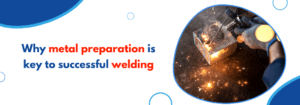
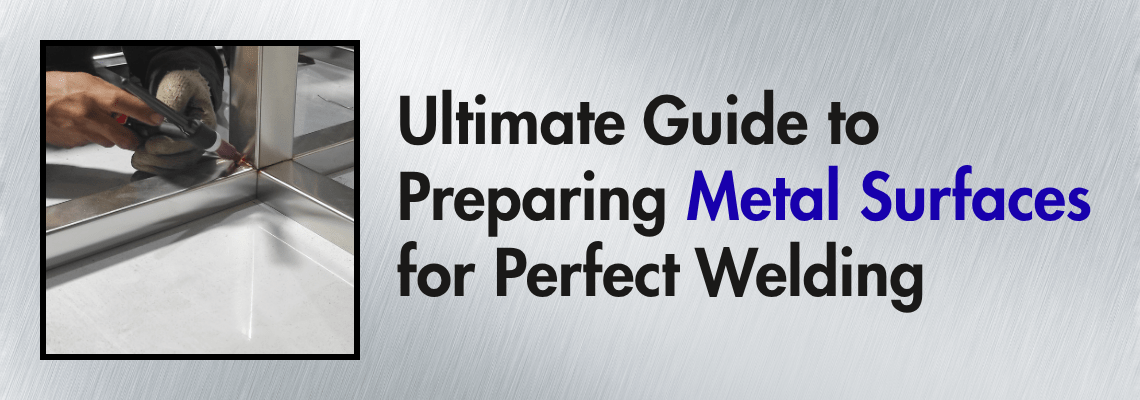
The presence of dirt or oil on a surface can take a toll on your hours of work when welding. That’s why fusing metal surfaces requires meticulous surface prep. If you are a welder, fabricator, or industrial metalworker chasing professional quality, this 2026 guide gives you a step-by-step approach. Start today to enjoy stronger welding joints, fewer mistakes, and faster clean-ups!
The Importance of Surface Preparation
When metal is cleaned, a strong bond is formed. If this is not done, issues of porosity, cracks, and weak welds are common. Inspections will fail without careful preparation. It is a fact that when metal surfaces are cleaned, the right welding pools are formed, and the reputation of the shop rises.
Must-Have tools
- Angle Grinder: With 4.5-inch flap discs for quick removal of material.
- Wire brush: A stainless steel brush is best for carbon steel. Each alloy needs a separate brush.
- Chemical cleaners: Acetone or weld prep solvents.
- Sandblasting: Used for heavy rust (pro shops only).
- PPE: Gloves, a respirator, and safety eyewear are not optional!
Tip: To avoid cross-contamination, use a colour-coded brush for each metal type!
Process of Surface Preparation
- Remove Paint, Coatings, and Oils
- Use rags soaked in acetone to wipe the surface (do a fresh wipe).
- All heavy coatings should either be ground or blasted completely off.
- Time Limit: 2 to 3 minutes maximum for every square foot.
- Remove Rust and Mill Scale
- For heavy rust, use a phosphate conversion coating before that
- Visual Test: If you can see your reflection, you are ready to proceed!
- Clean to Bare Metal
- Final acetone wipe right before welding.
- No-touch rule: You must weld within 10 minutes of your last cleaning.
- DIY Hack: Use lint-free cloths to avoid leaving cleaning residue.
- Edge Preparation for Stronger Welds
- Bevel thick plates to 30-37° for full penetration.
- Feather the edges for thinner sheets.
- Gap Control: 1/16” to 1/8” for MIG weld perfecting.
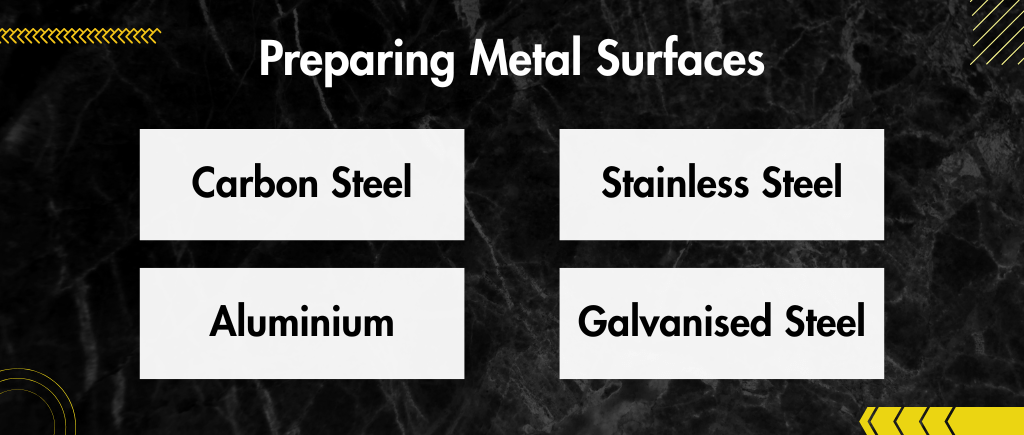
Metal-Specific Preparation Secrets
Carbon Steel:
- Grind to shiny metal.
- Do an acetone wipe?
- Weld within 10 minutes.
Stainless Steel:
- Use a dedicated brush for stainless steel only.
- No grinding sparks in the area.
- Final cleaning with isopropyl alcohol.
Aluminium:
- Etching is done with a stainless steel brush.
- Use acetone and a dedicated aluminium cleaning agent.
- Weld immediately.
Galvanised Steel:
- Grind off ALL zinc coating.
- Fume extraction is a must.
- Use double acetone on the prep area.
Common Mistakes in Preparation and Their Fixes
- Oil Residue: It feels clean, but the welds will be porous. Fix: Double acetone wipe.
- Cross-Contamination: Using a carbon steel brush on a stainless steel surface. Fix: Colour-code your tools.
- Over-Grinding: Removing too much base metal. Fix: Only light passes
- Waiting Too Long: Oxidation will restart the prep. Fix: 10-minute rule.
Sedimentation Welding Safety Inspection Checklist
- Bright and reflective surface of the weldment
- No oil, grease or fingerprints
- Correct bevel angles and gaps
- Clamps and grounds are clean
- Fresh gas lenses (TIG) or clean nozzle (MIG)
Your goal is 100% Pass Rate = Perfect Welds Every Time!
Pro Results Start Here
Metal surface preparation is key to differentiating good welders from the great ones. “Clean prep” = “clean welds” = “customer satisfaction” and “failed inspection free”.
Weld with the best, and boost your skills to new heights with top-line equipment from Welding Electrode Making Machine Manufacturers, and fully utilise the Welding Electrode Plan.