



Each weld is a testimony; an expression of a welder’s mastery as well as workmanship, or a manifest of their other issues, such as neglect, chic-entry and or, as a result, other additional expenditures. In the settings of overloaded metal workshops and production floors, knowing the applicable welding techniques and procedures is what makes the difference between unprofessional sloppiness and a defect-free joint. Mastering the right techniques etched every weld as a testimony of their professionalism, and that applies to every welder, whether they’re managing a crew or just getting their feet wet as a novice. Let’s simplify this even further into short, usable, and highly applicable tips.
Most important best practices in welding
- Always start with safety and setup
- Before starting to weld, always ensure that your equipment (helmet, gloves, jacket, boots, and safety glasses) is in good shape and in the right position.
- A clean, well-lit and uncluttered workspace will minimize potential slip and fall, fire, and burn incidents.
- Clean the metal before every weld
- A weld may have problems such as porous weld, cracks, a bad metal bond mostly due to the presence of rust, paint, grease, and contamination in the metal.
- You can use a wire brush, cleaning solvent, or grinder before a welding job to ensure a good bond between your filler metal and clean base metal.
- Choose the right welding process for the job
- MIG is good for fast and repetitive welding.
- TIG is best for a job that requires neat and precise welds.
- Welding sticks are excellent for outdoor work and welding on dirty materials.
- Adapt the process to the thickness of the material, the position you are in, and the requirements of the task.
- Set the correct current, voltage, and wire feed
- Too much heat can cause burn-through and warping.
- Too little heat leads to weak, cold welds.
- Follow the machine’s guide or WPS (welding procedure specification) and adjust slightly based on how the puddle behaves.
- Maintain proper torch or electrode angle and travel speed
- Keep a consistent angle, usually around 10–15 degrees from vertical.
- Move at a steady speed so your bead is even, not piled up, or too flat.
- A smooth rhythm creates better penetration and an overall better appearance.
- Use the right electrode or filler for the material
- Match electrode type and diameter to the base metal and position.
- Using the wrong electrode can cause a weld to crack, poorly fuse, or have excessive spatter.
- Control heat to prevent distortion
- Weld in short segments, alternate around the joint, or use entry and exit techniques to evenly distribute the heat.
- Using clamps, jigs, and backing bars not only helps hold parts in place but also helps minimize warping.
- Respect welding positions and adjust technique
- Flat welding is easiest. The horizontal, vertical, and overhead positions require more control and technique.
- Keep the puddle under control by altering the arc, slowing down, altering the weave, and tightening the pattern.
- Visually checking every weld and doing further inspections if necessary
- Look for gaps, porosity, undercut, cracks, and lack of fusion.
- If your company implements inspections such as dye penetrants, bend tests, and other inspections, consider them as tools for learning, and not just inspections.
- Document and stick to standard operating procedures
- When your shop has documented welding procedures, adhere to them.
- They are there to enable consistent quality and to assist every member of the team in achieving the same dependable and predictable output.
Better welds can be achieved through careful preparation and setting up
Optimum welding results are achieved through careful preparation as it should not start once the arc is struck. Proper checking of gas flow, cables, machine settings, and earth clamp can save time and prevent extreme frustrations as well as unexpected failures in the job. When apprentices are taught to incorporate this as a routine, like fastening a seatbelt in a car, it enables them to build safe habits that lasts for the entire career.
Welding processes selecting and their proper application
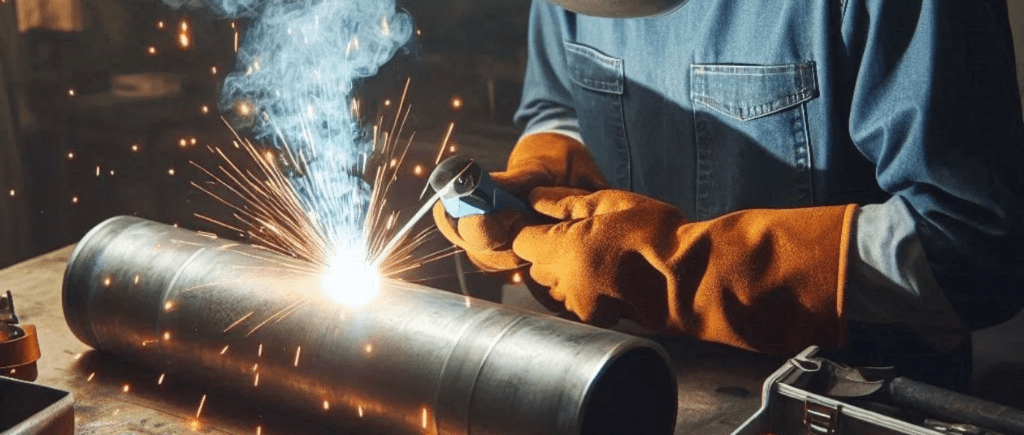
Confidence in the shop floor is directly related to knowledge of how various processes react and interact within the welding sphere. A production manager might select MIG to get a long run of brackets out fast but a welder might think to switch to TIG because of the thin, stainless, glowing, professional pieces. Teams collaborating on choosing a process can greatly decrease rework and ease the planning for all involved.
Developing a positive safety culture
Safety culture must never disrupt the normal workflow, it cannot be seen as an extra task. A fire extinguisher within range, proper ventilation, gas leaks checking, and having a fire extinguisher in the area are key protective measures. It’s not uncommon for new team members to replicate the safety practices of experienced team members and leaders.
Optimizing a quality welding electrode engineering plan and relying on quality Welding Electrode making machine Manufacturers will boost the standard of procedures to ensure every project is completed to excellence.


Great reminder that successful welding begins long before the first arc. Careful preparation, including checking equipment, gas flow, cables, machine settings, and the earth clamp, improves safety, reduces costly mistakes, and delivers stronger welds. Building these habits early helps apprentices develop confidence, consistency, and professionalism that will benefit them throughout their welding careers.
Excellent advice on the importance of preparation in welding. Many people focus only on the welding process itself, but checking equipment, gas flow, cables, and machine settings beforehand can prevent costly mistakes and improve safety. Developing these habits early helps apprentices gain confidence, produce consistent welds, and build a strong foundation for a successful, long-term welding career.
Great insights! Welding is truly a skill that combines precision, preparation, and experience. Following proper welding techniques and procedures not only improves weld quality but also enhances workplace safety and reduces costly rework. Your practical tips make it easier for both beginners and experienced welders to understand the importance of consistency, attention to detail, and continuous skill development in every project.