



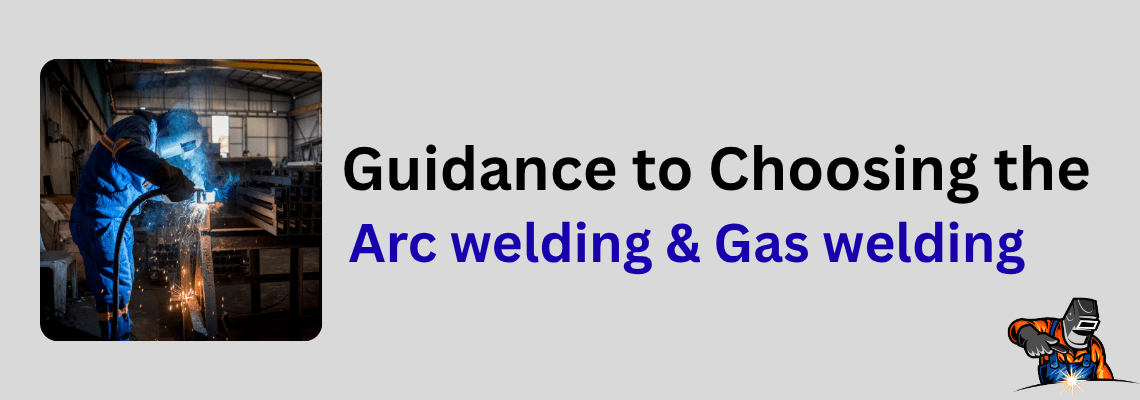
Guidance to Choosing the Arc Welding and Gas Welding
Every strong weld starts long before the torch is lit, it starts with the right machinery. Experience in building welding electrode plants and related equipment have shown one thing clearly, the quality of a weld is only as good as the process and equipment behind it. Welding electrode machinery forms the backbone of consistent, high-strength joints, and understanding which welding method suits a given job is the first step toward getting the best results from that machinery. This guide breaks down both methods so you can make that call with confidence.
Understanding the Two Core Methods
Arc welding:
It’s using an electric current to create an arc between an electrode and the base metal. The intense heat generated melts the metal at the joint, fusing the pieces together as it cools. It’s widely used because it works well on thicker metals, offers strong penetration, and suits industrial-scale fabrication.
Gas welding:
on the other hand, relies on a fuel gas, typically acetylene combined with oxygen to produce a flame hot enough to melt the base metal. It’s a slower, more controlled process, often preferred for thinner materials, repair work, and situations requiring finer control over heat input.
The decision usually comes down to a few practical factors:
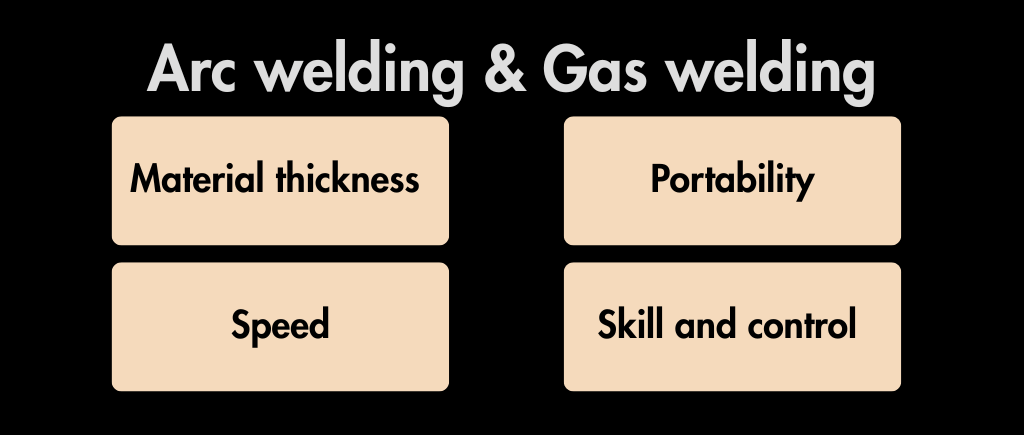
- Material thickness – Arc welding handles thick, heavy-duty sections better; gas welding suits thin sheets and delicate repairs.
- Portability – Gas welding setups are often more portable since they don’t need a power source.
- Speed – Arc welding typically completes joints faster, useful for large production runs.
- Skill and control – Gas welding allows finer heat control, which some technicians prefer for detailed work.
Where Each Process Proves Its Worth
In manufacturing plants producing welding electrodes and related machinery, arc welding is commonly used for structural frames, machine bodies, and heavy assemblies where strength matters most. Gas welding still finds its place in pipe work, sheet metal repairs, and jobs where precise, localized heating avoids warping thinner materials.
Why This Understanding Matters
Choosing between these processes isn’t just a technical preference, it affects weld strength, project timelines, and equipment costs. Workshops that understand this distinction reduce material wastage and improve output quality, which is exactly the kind of precision Logosweld machinery is engineered to support.
Both methods have earned their place in the welding world, and neither is universally “better” it depends entirely on the job at hand. Whether your work calls for the speed and strength of arc welding or the controlled finesse of gas welding, understanding arc and gas welding thoroughly ensures better decisions on the shop floor, safer outcomes, and equipment that’s built to last.