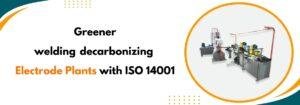




Building a welding electrode plant is not just a matter of purchasing equipment and commencing production. It requires a well-defined plan for equipment selection, production capacity, plant structure, material flow and long-term company objectives.
A good layout allows firms to ensure product quality, control operational costs and establish a consistent manufacturing process from the start.
Knowing what the firm wants to achieve is the first step to a successful plant. Some are designed for small scale production, others for high volume production. The structure should be aligned with the target market, estimated demand and available funding.
Doing this preparation early helps to avoid delays, and minimize the danger of bad investment decisions.
Machinery Required for Electrode plant
The right machinery is the backbone of production. Each machine supports a different stage of the process, and all units must work together smoothly.
Common machines include:
- Wire straightening and cutting machine.
- Flux mixing machine.
- Briquetting press.
- Extruder machine.
- Baking oven.
- Printing unit.
- Testing and quality control tools.
These machines help maintain consistent output, reduce manual errors, and improve plant efficiency. A reliable machine line also makes it easier to scale production later.
Capacity Planning
Capacity planning is one of the most important parts of the setup. It determines how much product the plant can produce in a fixed time period.
To plan capacity properly, owners should consider:
- Market demand.
- Number of working shifts.
- Machine speed and output.
- Labor availability.
- Storage and handling space.
A small unit may begin with limited output and grow over time, while a larger setup may need more advanced automation and higher machine capacity. Planning capacity correctly helps prevent underproduction and overinvestment.
Basic to Planning a Business
A good business plan gives direction to the entire project. It shows how the plant will operate, who it will serve, and how it will generate profit.
Important planning areas include:
- Target customer segments.
- Pricing strategy.
- Raw material sourcing.
- Production costs.
- Distribution and sales channels.
- Maintenance and service planning.
Without business planning, even a technically good setup can struggle to succeed. A clear plan helps the owner understand risks, estimate returns, and make better decisions.
Quality and Consistency
Quality control should be built into the plant from the beginning. Every batch must be checked for coating quality, size accuracy, and process consistency.
A strong setup should include:
- Inspection at each production stage.
- Standard operating methods.
- Proper machine maintenance.
- Skilled operators and supervisors.
- Regular testing of final products.
This helps the business build trust with customers and reduce rejection rates.
The setup stage decides how efficient and profitable the plant will become later. If the machinery is unsuitable or the capacity is poorly planned, the business may face losses, bottlenecks, or inconsistent output.
On the other hand, a properly designed operation can support steady growth, better product quality, and stronger market reputation.
A successful manufacturing unit depends on the right machinery, realistic capacity planning, and a strong business strategy. When these three parts work together, the plant becomes more efficient, scalable, and profitable. For entrepreneurs and manufacturers aiming to build a reliable welding electrode manufacturing plant, careful planning from the start makes all the difference.