


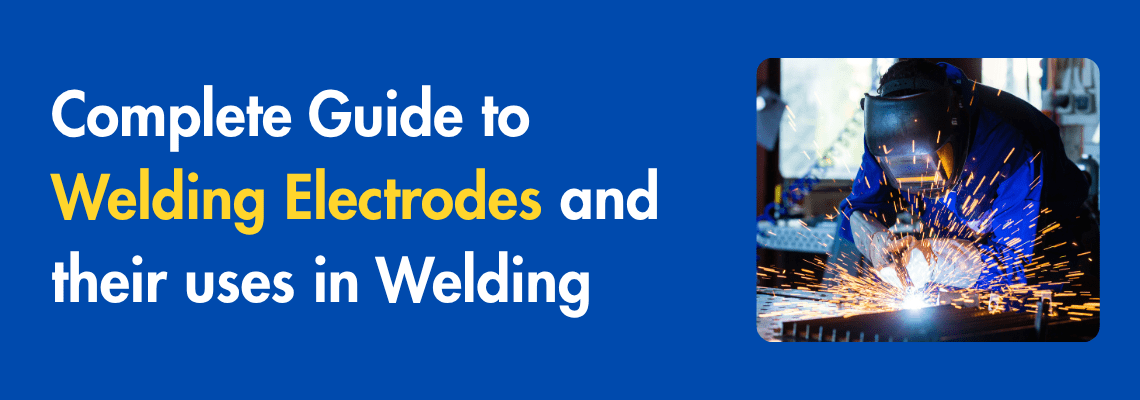
A welding electrode is the small but powerful component that carries current, generates the arc, and often supplies filler metal to complete a joint. Every electrode weld combination is built around the electrode’s coating, core material, and diameter, all of which determine how it performs on a given metal. From thin sheet repairs to heavy structural fabrication, the electrode is what turns raw electrical energy into a finished, reliable joint. For manufacturers producing electrodes at scale, understanding these real-world uses is essential to formulating the right flux coatings and core wire for each industry they serve.
Common Uses of Welding Electrodes
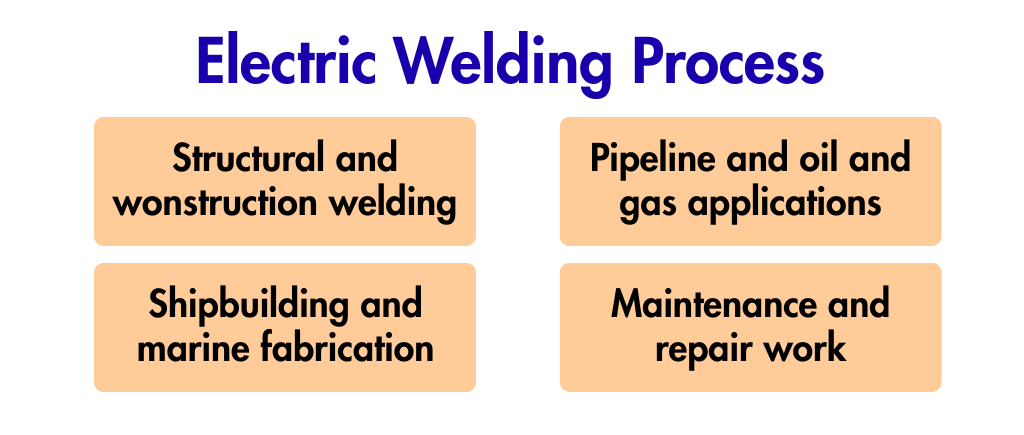
- Structural and Construction Welding
Low-hydrogen electrodes such as E7018 are widely chosen for beams, bridges, and pressure vessels because they resist cracking and hold up under heavy structural loads. Their smooth bead formation also reduces the need for rework on large construction projects.
- Pipeline and Oil and Gas Applications
Electrodes like E6010 are prized for pipe welding because they penetrate deeply and can perform even on rusty or slightly oily surfaces. This makes them dependable for root passes on cross-country pipelines and refinery piping systems.
- Automotive and Machinery Fabrication
Vehicle frames, machinery housings, and industrial components rely on electrodes that produce clean, spatter-free welds. Consistency here directly affects part durability and the overall performance of moving assemblies.
- Shipbuilding and Marine Fabrication
Marine environments demand electrodes that resist corrosion from constant moisture and saltwater exposure. Stainless steel and specially coated electrodes are selected to keep hulls and marine structures intact for decades.
- Maintenance and Repair Work
General-purpose electrodes are a workshop staple for fixing gates, farm equipment, and worn machine parts. Their ease of use makes them practical for quick repairs were speed matters as much as strength.
- Food, Chemical, and Pharmaceutical Equipment
Stainless steel electrodes are essential where hygiene and corrosion resistance cannot be compromised. Clean, smooth welds prevent contamination risks in tanks, piping, and processing equipment used across these industries.
- Cutting, Gouging, and Repair Preparation
Carbon and specialty electrodes are also used for arc gouging and cutting, helping remove damaged material cleanly before a new weld is applied. This step is often overlooked but is critical for preparing a sound base for the final joint.
Across construction, pipelines, automotive, marine, repair, and hygiene-critical industries, the right electrode weld choice is what separates a strong, lasting joint from a weak or defective one. Every application place different demand on the electrode’s coating, core, and diameter, which is why consistent raw material quality and precise manufacturing remain central to producing electrodes that welders can depend on in the field.